Types of Olive Oil: What They Are and How To Use Each One
Olive oil isn’t just one pantry staple — it comes in several varieties, each with its own flavor, smoke point, and best uses. Choosing the right one can make a big difference in both taste and cooking success.
Extra Virgin Olive Oil (EVOO)
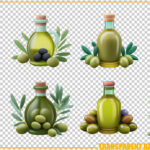
What it is:
The highest‑quality olive oil is made from pure, cold‑pressed olives with no heat or chemicals. It has low acidity and the strongest flavor. The Olive Bar
Flavor:
Bold, grassy, peppery, or fruity, depending on the olives and harvest.
Best uses:
- Salad dressings
- Drizzling on finished dishes
- Dipping bread
- Enhancing simple foods like pasta, grilled vegetables, or fish
Why choose it:
Rich in antioxidants and healthy fats, ideal when you want flavor to shine.
Virgin Olive Oil
What it is:
Also mechanically extracted, but with slightly higher acidity and a milder flavor than EVOO.
Flavor:
Gentler and less peppery.
Best uses:
- Sautéing
- Roasting
- Marinades
- Everyday cooking where you want some olive flavor without overpowering the dish
Light or Refined Olive Oil
What it is:
Refined to remove strong flavors; “light” refers to taste, not calories. It has a higher smoke point, making it suitable for high‑heat cooking.
Flavor:
Very mild, almost neutral.
Best uses:
- Frying
- Baking
- High‑heat sautéing
- Recipes where you don’t want olive flavor to dominate
Other Types You May See
Pure/Classic Olive Oil:
A blend of refined and a small amount of virgin oil. Neutral flavor; good for general cooking.
Pomace Olive Oil:
Made from the remaining olive pulp after pressing and then refined. Very high smoke point; often used for deep frying. (Referenced across olive oil classification guides.)
Quick Comparison Table
| Type of Olive Oil | Flavor | Smoke Point
*See Below |
Best Uses | Notes |
|---|---|---|---|---|
| Extra Virgin | Strong, peppery, fruity | Lower | Dressings, drizzling, dipping | Highest antioxidants |
| Virgin | Mild | Medium | Sautéing, roasting | Everyday cooking |
| Light/Refined | Very mild | High | Frying, baking | “Light” = flavor, not calories |
| Pure/Classic | Neutral | Medium‑high | General cooking | Blend of refined + virgin |
| Pomace | Neutral | Very high | Deep frying | Industrial/refined |
Closing Tip
If a recipe doesn’t specify the type of olive oil, use virgin or light olive oil for cooking, and save your good extra virgin olive oil for finishing — that’s where its flavor really shines.
*Smoke Point is the specific temperature at which cooking oil begins to break down, decompose, and emit continuous light blue smoke. At this point, the oil begins to degrade in flavor, aroma, and nutritional quality. It will leave a bitter taste and produce potentially unhealthy compounds.